The Joy of Chanoyu
The essence of enjoying tea is found in welcoming guests and offering them heartfelt hospitality through the act of preparing and serving tea. It is said that one of the purposes of Chanoyu is to foster a pure and sincere exchange of hearts between host and guest, centered around a bowl of tea.
In tea practice, both host and guest learn to engage with one another through mutual respect and attentiveness. It is also a way to cultivate the manners that enrich the relationship between the host and the guests with thoughtfulness, as well as a deep appreciation for the utensils through careful handling.
According to the Iemoto, in the tradition of Sen no Rikyu's tea procedure, temae (preparing tea) should flow lightly and smoothly like a stream that remains clear, leaving nothing behind. In Sado, the procedure of making tea and the receiving of tea depend on an agreement about how to do things that has been handed down. This is called "kata (form)" . Kata is not something that can be understood logically, with the mind only, but is learned through the body. It is said that by acquiring the "kata" with your body, you will eventually come to understand the "spirit" contained in the "kata".
One of the true joys of tea, we believe, is its ability to bring people together across generations and borders through a bowl of tea.
References: Japanese Tea Culture "The Omotesenke Tradition", "Domon".
For more information on Omotesenke's Chanoyu, please visit Chanoyu Kokoro to Bi - Omotesenke Iemoto Website.
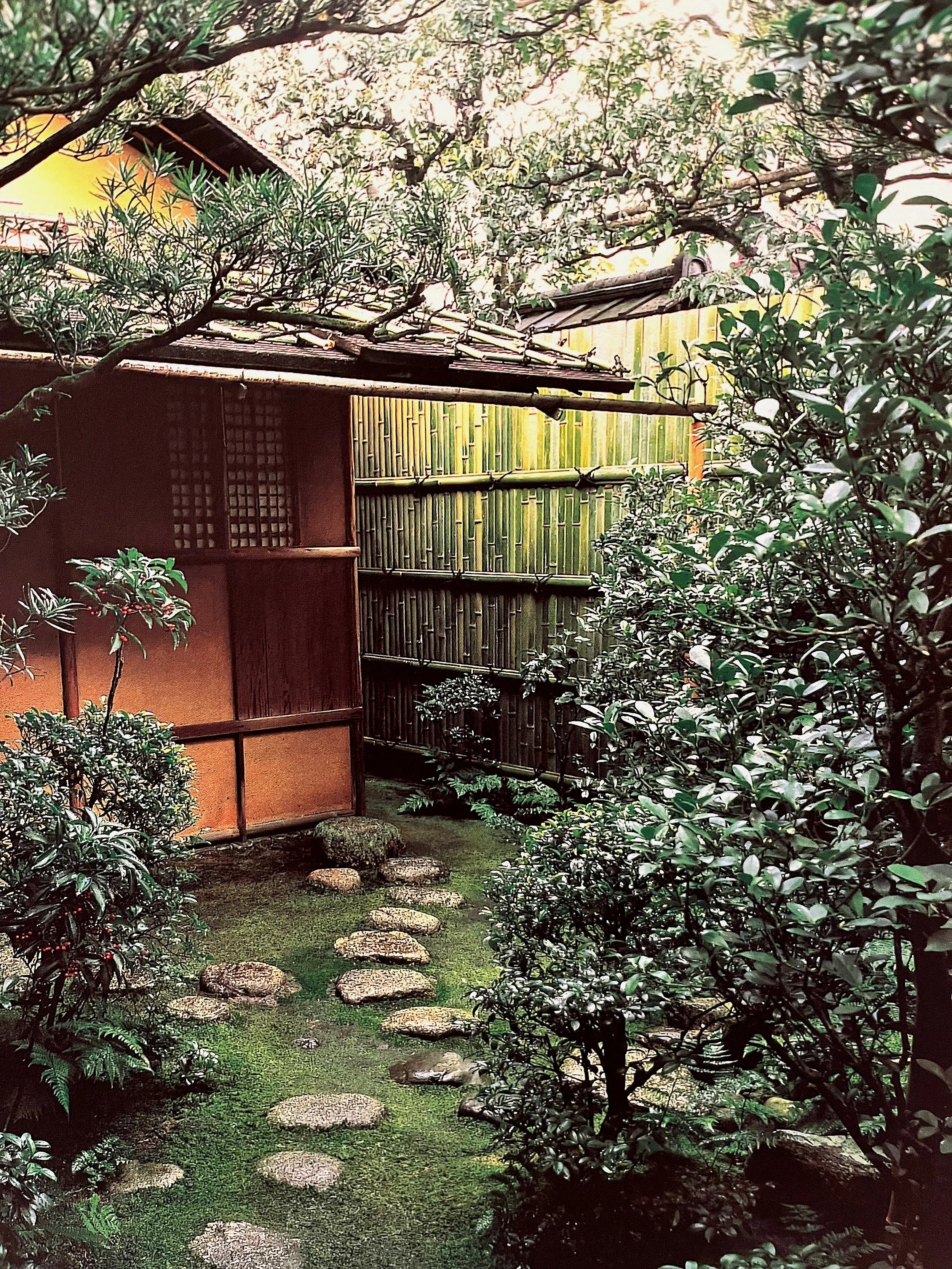
Omotesenke Fushin’an